


Happy New Year! As we turn the page on 2025, it’s a good time to step back and look at what actually happened in the San Diego housing market and what it means as we head into 2026.
This past year was defined by a gradual return toward more normal market patterns. Inventory loosened, demand remained muted, luxury performed better than the broader market, and timing became increasingly important for sellers.
INVENTORY: THE MOST MOVEMENT WE’VE SEEN IN YEARS

Inventory was the biggest story of 2025. San Diego County began the year with 3,252 active listings, the highest January start since 2020. While this remains well below pre-pandemic norms (2017–2019 averaged more than 5,200 homes), it marked a meaningful shift after years of severe supply constraints.
As the year progressed, inventory grew steadily, peaking in mid-July at 6,410 homes, nearly double where the year started and the highest summer peak since 2019. For the first time in years, the market followed a more traditional seasonal pattern, with inventory cresting in the summer rather than being delayed into the fall.
From late summer through year-end, inventory declined by about 31 percent, finishing 2025 at 4,393 homes. That’s still 18 percent below pre-pandemic December averages, but notably higher than recent years. Early projections suggest 2026 will begin with roughly 3,800 active listings, making it the strongest start since 2020.
WHY MORE HOMES FINALLY HIT THE MARKET
Since mortgage rates spiked in 2022, homeowners have largely “hunkered down,” unwilling to give up historically low fixed-rate mortgages.
Today, approximately 79 percent of California homeowners with a loan have a rate at or below 5 percent. Sixty-three percent are at or below 4 percent, and 28 percent are at or below 3 percent. While the lock-in effect remains real, it has been easing gradually each year.
In 2025, there were 3,886 more FOR-SALE signs than in 2024 and nearly 10,000 more than in 2023, as homeowners grew tired of waiting for rates to fall. Even so, listing activity remains well below pre-COVID norms, reinforcing that today’s inventory growth is relative — not excessive.
DEMAND: STEADY, SEASONAL, AND STILL CONSTRAINED
Buyer demand has not changed much over the past three years.
Demand followed its typical seasonal rhythm, peaking in the spring and cooling into the fall, but remained historically muted due to affordability challenges. Higher mortgage rates, elevated home values, and income constraints continued to suppress buyer activity.
The year began with just over 1,100 pending sales, similar to early 2023 and 2024, but 42 percent below pre-pandemic averages. Demand peaked in March at 1,946 pending sales, the weakest spring peak since 2023 and nearly 50 percent below historical norms.
Mortgage rates spent much of the year above 6.5 percent, easing meaningfully only in early fall — unfortunately aligning with the slowest time of year for housing activity.
EXPECTED MARKET TIME: LONGER SALES, THEN IMPROVEMENT
As inventory increased and demand stayed flat, homes took longer to sell.
Expected Market Time — the projected time to sell a home based on current supply and demand — started 2025 at 90 days and climbed steadily through the spring, peaking at 106 days in July. Increased seller competition slowed the market.
As fewer sellers entered the market in the second half of the year, conditions improved. Expected Market Time fell below 100 days in August and closed the year at 95 days — still higher than 2024, but significantly better than mid-year.
THE LUXURY MARKET: A STANDOUT PERFORMER
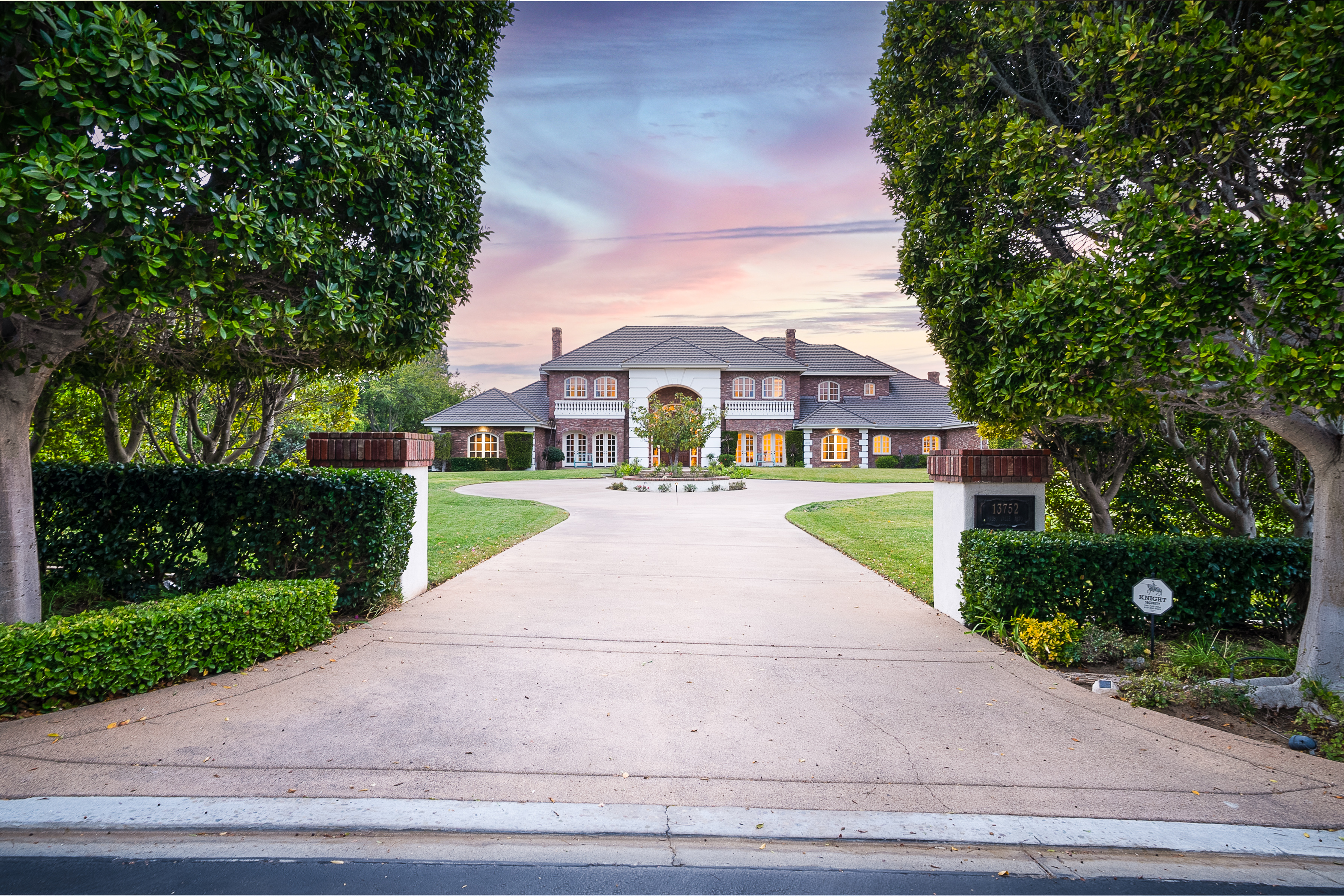 Luxury homes priced above 2 million dollars outperformed the broader market.
After pulling back from pandemic highs, luxury sales rebounded in 2024 and reached a new all-time high in 2025 with 2,289 closed sales — surpassing even the record year of 2021.
While luxury homes took longer to sell than during the peak pandemic years, conditions improved late in 2025. Inventory declined, demand stabilized, and Expected Market Time for luxury homes finished the year at 147 days, its fastest pace since early spring.
LOOKING AHEAD TO 2026
The 2026 housing market will largely depend on mortgage rates — and mortgage rates will depend on broader economic conditions.
Demand has remained suppressed since 2022 while seller activity has slowly increased. This has created more competition among sellers, more negotiation leverage for buyers, and a market where pricing strategy matters more than it has in years.
Most forecasts point to mortgage rates fluctuating between the mid-5 percent and mid-6 percent range, depending on labor market conditions and inflation trends.
If the economy continues cooling modestly, inventory is expected to rise slightly but remain below pre-COVID levels, buyer demand should improve during the spring market, closed sales may increase by 4 to 7 percent, and home values could rise between 2 and 5 percent.
THE BIG PICTURE
Despite higher inventory and longer market times, this is not a distressed market. Foreclosures and short sales remain far below historical levels, and homeowner equity remains strong.
What we’re seeing is a market slowly normalizing — one where timing, pricing, and strategy matter more than they have in years.
If you’re considering a move in 2026, understanding these trends early can make a meaningful difference. We’re always here to talk through what this data means for your specific goals.
— Team Kolker Wendlandt