
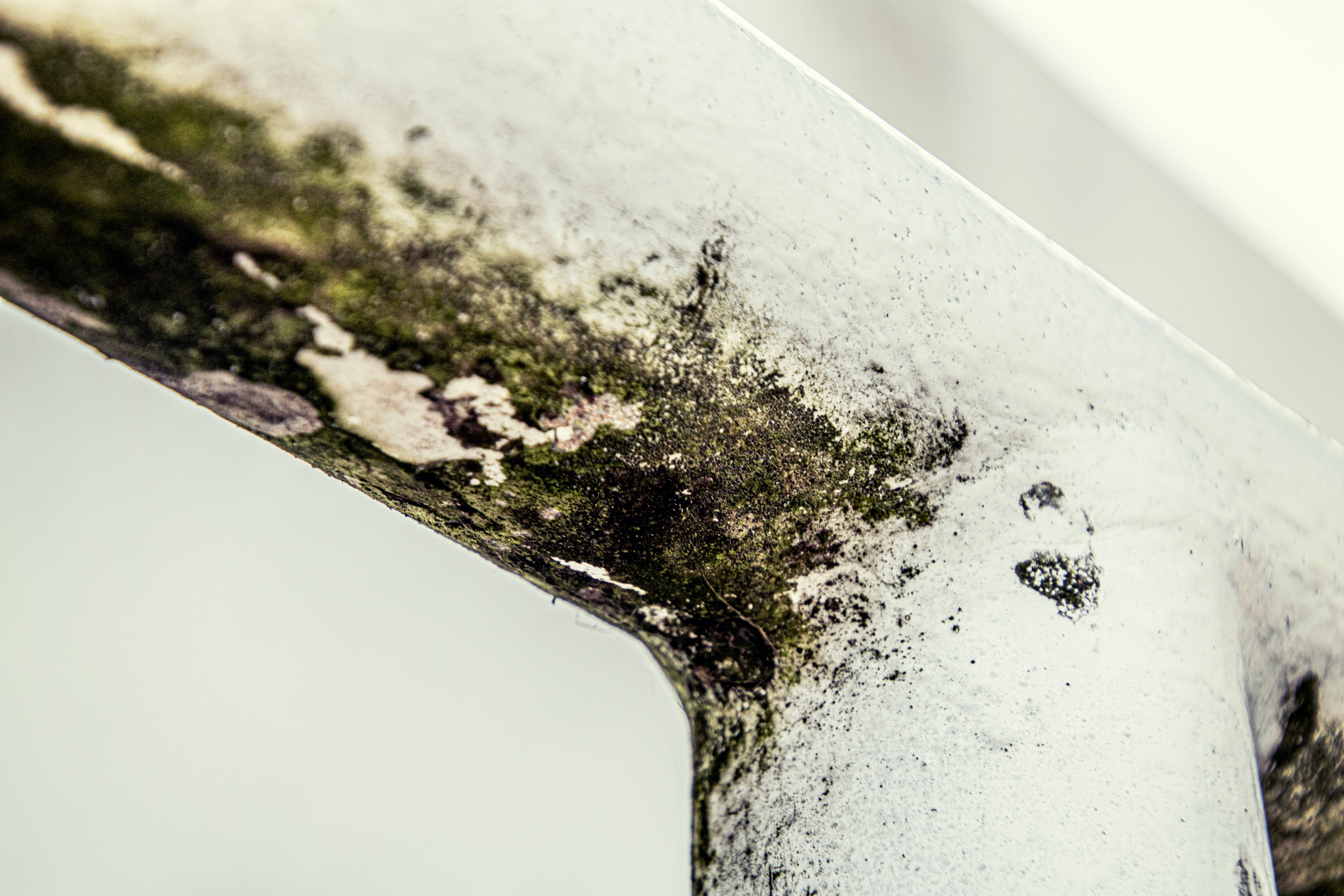
The recent moisture issues at Del Sur Elementary have started a much bigger conversation about mold, what causes it, why it returns and what mold remediation actually involves.
Although the school situation is more complex than a typical household problem, it highlights something every homeowner should know:
Mold is usually a symptom. Moisture is the real problem.
Cleaning visible mold without fixing the source of the moisture may only provide a temporary solution.
What Causes Mold in San Diego Homes?
Mold spores exist naturally indoors and outdoors. They become a problem when they land on a damp surface and begin to grow.
Common sources of moisture in San Diego homes include:
Plumbing, roof or window leaks
Poor bathroom ventilation
HVAC or air-conditioning problems
Condensation around windows and pipes
Leaking appliances or water heaters
Irrigation or drainage problems
Water damage that wasn’t dried properly
Despite San Diego’s relatively dry climate, our homes are not immune. The EPA recommends drying wet materials within 24 to 48 hours to help prevent mold growth.
Signs of Mold or Moisture
Mold isn’t always easy to see. Warning signs can include:
A persistent musty smell
Water stains on walls or ceilings
Bubbling or peeling paint
Warped baseboards or flooring
Damp carpet
Discoloration around vents or windows
Mold that returns after cleaning
Regular condensation inside the home
Pay particular attention after heavy rain, a plumbing leak or an appliance failure. Moisture can remain hidden behind drywall, beneath flooring or inside cabinets after the visible water has disappeared.
Why Is Mold a Concern?
Damp or moldy environments can cause coughing, wheezing, nasal congestion and irritation of the eyes or skin in some people. Those with asthma, mold allergies, chronic lung conditions or weakened immune systems may be more sensitive.
Mold can also damage a home. If the moisture continues, drywall, flooring, insulation and wood may eventually need to be removed and replaced.
Catching the problem early can help protect both your health and your property.
What Does Mold Remediation Involve?
Proper mold remediation is much more than spraying and wiping the visible area.
The process generally includes:
Finding and repairing the moisture source
Containing the affected area
Removing materials that cannot be cleaned
Cleaning the remaining surfaces
Drying the area completely
Confirming the moisture problem has been resolved
For larger projects, professionals may use plastic containment barriers, HEPA-filtered equipment, commercial dehumidifiers and moisture meters.
The EPA says homeowners can often handle an area smaller than approximately 10 square feet. Larger areas, recurring mold, sewage contamination or suspected HVAC involvement should generally be assessed by an experienced mold remediation professional.
Do You Need Mold Testing?
Not always. If you can see or smell mold, the priority is usually to remove it and correct the moisture problem. Knowing the exact type of mold is often less important than eliminating the conditions allowing it to grow.
Testing may be helpful when the mold is hidden, the moisture source is unclear or an independent assessment is needed following extensive remediation.
How to Help Prevent Mold
A few simple checks can stop a small moisture issue from becoming a major repair:
Fix leaks promptly
Use bathroom and kitchen exhaust fans
Check beneath sinks and around appliances
Keep gutters and exterior drains clear
Direct irrigation away from the house
Replace damaged caulking
Look for damp areas after heavy rain
Consider using an inexpensive humidity monitor
The EPA recommends keeping indoor humidity below 60 percent and ideally between 30 and 50 percent when possible.
Don’t Ignore a Musty Smell
If a room repeatedly smells musty, paint continues to bubble or staining returns after rain, investigate it.
The recent issues at Del Sur Elementary are a reminder that cleaning mold is only part of the solution. Whether it’s a school or a home, the most important step is finding out where the moisture is coming from and fixing it properly.
Read our previous update: Why Del Sur Elementary Is Moving an Entire School: Inside the Moisture Mystery and What’s Next
This article is for general information only. For concerns about mold, indoor air quality or possible health effects, consult an appropriately qualified professional.