
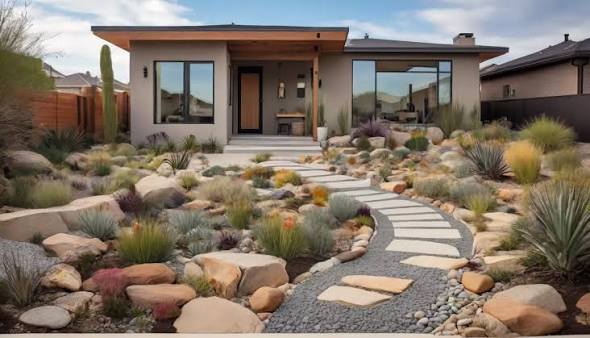

If you love lush landscaping around your home, there are some important changes on the horizon.
California has officially approved long-awaited Zone 0 wildfire regulations that will change how landscaping is maintained immediately around homes in many of the state's highest wildfire-risk areas. While the rules won't affect every property, they will impact approximately 1.75 million homes across California, including many in San Diego County.
If you live in—or are considering buying a home in—92127, here's what you need to know.
Why Is California Introducing Zone 0?
The biggest threat to homes during a wildfire isn't always the flames.
It's wind-driven embers.
These burning embers can travel more than a mile ahead of an active wildfire, landing in bark mulch, dry leaves, wood fencing, or shrubs next to a home. Once ignited, those materials can quickly spread fire to the structure itself—even if the main fire never reaches your neighborhood.
To reduce that risk, California has adopted new Zone 0 regulations designed to make homes more resistant to ember attacks.
What Is Zone 0?
Zone 0 is the first five feet surrounding your home.
Fire experts often call it the ember-resistant zone because research shows this is where homes are most likely to ignite during a wildfire.
The zone includes everything within five feet of:
- Exterior walls
- Attached decks
- Porches
- Stairways
- Attached fencing
- Other connected structures
The goal is simple: remove or reduce anything that could catch fire and transfer flames to your home.
What Will Homeowners Need to Change?
If your property is located within a designated Very High Fire Hazard Severity Zone or State Responsibility Area, you'll likely need to make some landscaping changes over the coming years.
These may include:
- Replacing bark mulch or wood chips with gravel, stone or pavers.
- Removing dead leaves, pine needles and other debris.
- Moving firewood away from the house.
- Trimming branches away from roofs and chimneys.
- Replacing wooden fencing where it connects directly to the home.
- Limiting combustible planters, outdoor furniture and storage immediately next to exterior walls.
The objective isn't to eliminate landscaping—it’s to make the five feet closest to your home far less likely to ignite during a wildfire.
Can You Still Have Plants?
Yes.
Earlier drafts of the regulations proposed removing nearly all vegetation within five feet of homes, but those proposals drew significant public feedback.
The final regulations are much more balanced.
Healthy, well-maintained plants and mature trees can remain in many situations, provided they are properly maintained and don't create an ignition risk. The emphasis is on reducing combustible materials immediately adjacent to the structure—not creating a barren landscape.
When Do the Rules Take Effect?
The rollout will happen in phases.
- New homes built within designated wildfire hazard zones must comply immediately.
- Existing homes will have several years to comply.
The first phase for existing homes is expected to begin approximately three years after the regulations are formally published, with additional requirements phased in over the following years.
Will This Affect Homes in 92127?
Possibly.
Not every property in 92127 falls within a designated wildfire hazard zone, but many homes bordering open space, canyons and natural preserves could be affected.
Communities in and around Del Sur, 4S Ranch, Rancho Bernardo and Black Mountain Ranch already follow defensible space recommendations, and homeowners in designated hazard zones should expect additional guidance from local fire agencies as implementation moves forward.
What About HOA Communities?
This is one of the biggest questions homeowners are asking.
Many neighborhoods in 92127 have HOA-maintained landscaping, slopes and common areas.
As the regulations are implemented, homeowners associations will likely work with landscape architects, fire professionals and insurance providers to determine how best to comply while preserving the look and feel of their communities.
If you live in an HOA, keep an eye on community newsletters and board meetings over the next year as more details become available.
Why This Matters Beyond Wildfire Safety
These changes aren't just about protecting homes from wildfire.
They're also becoming increasingly important for homeowners insurance.
Insurance companies continue to evaluate wildfire risk across California, and creating ember-resistant landscaping may help reduce future risk and improve insurability in higher-risk communities.
The Bottom Line
California's new Zone 0 regulations represent one of the most significant changes to residential landscaping in years.
For homeowners, it may mean replacing mulch with gravel, moving combustible materials farther from the home and rethinking landscaping closest to the structure. But the purpose is straightforward: reduce the chance that wind-driven embers can ignite a home during a wildfire.
If you own a home in 92127, now is a great time to learn whether your property falls within a designated wildfire hazard zone and begin thinking about how these changes may apply to your home.
As implementation continues, we'll keep following the updates and sharing practical guidance to help our community stay informed—and stay safe.